Throughout my career, leading innovation, mergers and acquisitions, integrations, or company-wide initiatives with consulting firms on digital transformations, I've consistently observed a common pattern: things rarely go as planned. Often, projects are phased, with original benefits broken down across phases 1, 2, and 3. Unfortunately, this frequently leads to a shortage of capital by phase 2, resulting in a spending freeze and, ultimately, poor outcomes.
Skyjed's business tool is a SaaS-based lifecycle, risk, and governance platform designed to address these challenges. By providing a blueprint or "Mission Control" for Product Lifecycle Management (PLM), Skyjed empowers our clients to make informed decisions and ensure disciplined product and lifecycle governance. This solution is applicable to a wide range of organisations, from early-stage startups to global enterprises.
The Importance of a Unified Lifecycle Governance Framework
A well-structured lifecycle governance framework provides a comprehensive process and tools to manage the entire lifecycle of products, services, or projects.
This framework ensures that all activities, from ideation to retirement (with eventual end-use considered) , are aligned with the organisation's strategic goals and executed efficiently. Key benefits include:
- Improved Efficiency: A unified end-to-end framework streamlines processes, reduces gaps, and eliminates bottlenecks, leading to faster time-to-market and lower costs.
- Enhanced Risk Management: By establishing clear governance mechanisms, organisations can identify and mitigate risks proactively, align with regulatory requirements, and protect their investments and reputation.
- Enhanced Customer Focus: A lifecycle-centric approach helps companies prioritise initiatives that deliver the greatest value to customers, ensuring that innovation efforts are aligned with market needs and customer trust.
The Role of Lifecycle Custodians
Lifecycle custodians are individuals or teams responsible for overseeing end-to-end stages of the lifecycle. They act as gatekeepers, ensuring that deliverables meet quality and regulatory standards, adhere to timelines, and align with the overall strategy. Effective lifecycle custodians possess a deep understanding of their domain, strong communication skills, and a commitment to continuous improvement.
The Power of Consistent Monitoring
Consistent and ongoing monitoring of the lifecycle is essential for maintaining a customer-centric focus and ensuring that innovation efforts are balanced with operational discipline. By tracking key metrics, identifying trends, and gathering feedback, organisations can:
- Prioritise Initiatives Effectively: Data-driven insights help companies dynamically allocate resources to the most promising projects, maximising return on investment.
- Refine Quickly with Urgency: By identifying issues early in the lifecycle, organisations can take corrective action promptly, minimising disruptions and costs.
- Achieve a Balanced Approach: Continuous monitoring enables companies to strike the right balance between innovation and operational efficiency, ensuring that both are prioritised appropriately.
Unpacking the Root Causes of Misalignment
One of the most common challenges faced by organisations is the assumption that product, service or project launches will follow the forecasted business case or GTM plan. However, reality often proves otherwise.
A uniformly governed end-to-end lifecycle framework can help address this issue by:
- Ensuring Consistent Review: Regular reviews throughout the lifecycle help identify deviations from the plan early on, allowing for timely adjustments.
- Unpacking Root Causes: By analysing the reasons for misalignment, organisations can identify underlying issues such as siloed teams, lack of collaboration, or insufficient data.
- Promoting Accountability: A clear framework assigns responsibility for different stages of the lifecycle, promoting accountability and preventing finger-pointing.
Do you need help to achieve a balance between innovation and operational efficiency? Are you facing challenges with project or product execution, risk management, or customer satisfaction?
Even if your current lifecycle governance processes are primarily managed in Excel spreadsheets, we can help you implement a more effective and scalable solution.
Let's discuss how Skyjed's lifecycle governance framework can help you transform your operations. Contact me today to schedule a consultation and explore how we can deliver tangible benefits within the first 90 days.
Cheers and until next edition
Leica
Contact Skyjed today for a personalised demonstration.
About Skyjed
Watch our 30 second Skyjed Overview video here
Skyjed’s AI-powered end-to-end lifecycle and governance platform is mission control for lifecycle management and governance. Bringing together every data point across your portfolio and lifecycle into a single source of truth, it gives our clients a new perspective to make more strategic lifecycle decisions to launch, monitor, optimise, and win.
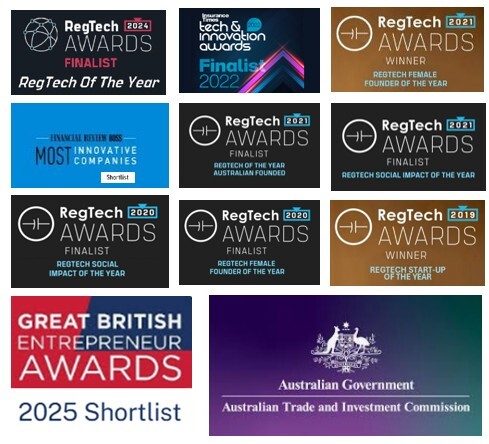
Our industry-leading platform has received numerous awards and recognition from clients and industry bodies, demonstrating our commitment to innovation and excellence.