The Launch That Never Delivered
Picture this: Your team just launched a groundbreaking new product. The presentation deck was flawless, the demo went perfectly, and stakeholders are buzzing with excitement. Six months later, you're staring at disappointing numbers and wondering where the promised business case went.
Sound familiar? After nearly three decades of leading innovation and product lifecycle management, I see this scenario play out repeatedly across organisations of all sizes. The harsh reality is that most products launch beautifully but fail to deliver their original business case. The culprit isn't poor innovation or weak market research—it's the absence of disciplined lifecycle governance.
The Problem: Orphaned Business Cases
Here's what typically happens: Teams develop brilliant product innovations or feature updates, complete with compelling business cases that get rolled up and approved across the organization. Post-launch, however, these products become orphans. The original product owner has moved on to the next exciting project, and nobody owns the ongoing responsibility of delivering the promised returns.
Without lifecycle governance, products drift. Initial assumptions go unchallenged, performance metrics become afterthoughts, and the strategic intent that justified the original investment gets lost in operational noise. The result? Great ideas that never fulfill their commercial potential.
Why End-to-End Lifecycle Management is Now Strategic
The business landscape has fundamentally shifted. Regulatory obligations are tightening, customer expectations are rising, and investors demand demonstrated returns, not just promised ones. In this environment, lifecycle governance isn't just good practice—it's a strategic imperative.
Companies that embed lifecycle management as a discipline across their business consistently outperform those that don't. They maintain focus on delivering great customer outcomes while ensuring commercial returns align with original business cases. Most importantly, they build trust with customers by consistently delivering what they promise.
The Solution: Lifecycle Governance as Business Discipline
Effective lifecycle governance requires treating lifecycle management as a core business discipline, not an optional add-on. This means embedding it into every stage of product development and execution, whether you're launching a new product, implementing AI projects, or executing any strategic investment.
Start at Concept: Define What Success Looks Like
At the concept stage, establish clear foundations:
- Regulatory requirements: Identify compliance obligations upfront
- Customer metrics: Define how you'll measure customer value delivery
- Commercial metrics: Set specific financial performance indicators
- Sustainability measures: Include environmental and social impact goals
- Lifecycle owner: Assign someone accountable for end-to-end delivery
This isn't about creating more bureaucracy—it's about ensuring clarity and accountability from day one.
Pre-Launch: The Lifecycle Strategy Checkpoint
Before any launch, implement a readiness checklist that includes a comprehensive lifecycle strategy. This strategy should address:
- How performance and compliance will be measured across every stage
- Who owns delivery at each phase
- How you'll adapt when assumptions prove wrong
- Resource allocation for ongoing optimisation and compliance
Post-Launch: Strategic Evaluations and Quarterly Resets
Here's where most organisations fail: they treat launch as the finish line instead of the starting gun. Effective lifecycle governance includes:
Quarterly Strategic Evaluations: Regular assessments that revisit original assumptions, update projections based on real data, and address emerging risks. These aren't just progress reports—they're strategic recalibrations.
Honest Financial Resets: Accept that it's rare for any business initiative to meet budget expectations in the first 12 months. The real work begins with honest assessment, intelligent risk management, and strategic funding for the growth path ahead.
Cross-Functional Accountability: Break down silos by implementing a "product team mindset" across all handoffs and transitions. When everyone understands their role in lifecycle delivery, products stay on track.
The Customer Truth
Your customers don't care about your internal processes, organizational charts, or quarterly planning cycles. They want one simple thing: for you to deliver what you promised. Lifecycle governance with embedded guardrails is how you honor that expectation consistently.
When customers trust that you'll deliver on your commitments, they become advocates, partners, and long-term revenue sources. When they don't, they become former customers.
Making It Work at the C-Level
Implementing lifecycle governance requires more than policy changes—it demands cultural transformation at the leadership level. C-suite executives must:
- Champion lifecycle thinking in every strategic discussion
- Reward teams for long-term delivery, not just successful launches
- Invest in systems and processes that support ongoing lifecycle governance
- Model accountability by asking hard questions about business case delivery
The Bottom Line
Beautiful product launches are just the beginning. Real business value comes from disciplined lifecycle governance that ensures products deliver on their promises throughout their entire journey. In today's competitive landscape, companies that master this discipline will outperform those that don't.
The question isn't whether you can afford to implement lifecycle governance—it's whether you can afford not to. Your customers, investors, and bottom line depend on getting this right.
The 5 Questions Every CEO Asks About Lifecycle Governance
Over the years, I've had countless conversations with CEOs about implementing lifecycle governance. Here are the five questions that come up in almost every discussion:
Q: "How long does it take to see results? We can't wait years for this to pay off."
A: You'll see immediate improvements in clarity and accountability within the first 30 days. Measurable business impact typically shows up within 90-120 days as your first governed products move through their lifecycle stages. The full transformation takes 8-12 weeks to implement, but early wins happen fast because you're finally measuring what matters.
Q: "Won't this just create more bureaucracy and slow us down?"
A: Done wrong, yes. Done right, lifecycle governance actually accelerates decision-making because everyone knows what success looks like and who owns what. Instead of endless debates about priorities, you have clear metrics and accountability. Teams spend less time in meetings arguing about direction and more time executing against defined objectives.
Q: "How do we measure if lifecycle governance is actually working?"
A: Track three key metrics: business case delivery rate (percentage of products meeting their original projections), regulatory compliance (emerging risks) customer promise fulfillment (how often you deliver what you committed), and strategic alignment sustainability (how long products stay on their intended strategic path). If these improve, everything else follows.
Q: "Where do we even start? This feels overwhelming across our entire organization."
A: Start with your highest-value products or most critical upcoming launches. Prove the model works on 2-3 initiatives before rolling it out enterprise-wide. Focus on establishing clear ownership and quarterly evaluation rhythms first—the sophisticated processes can come later. Most CEOs are surprised how quickly they see results when they start small and build momentum.
Ready to Transform Your Lifecycle Management?
If this article resonates with your experience, you're not alone. Most CEOs recognize the symptoms but struggle with where to start. That's exactly why we developed our proven approach to lifecycle governance transformation.
Get Your Free Lifecycle Management Maturity Audit
We're offering CEOs a complimentary assessment of their current lifecycle management and governance capabilities. This isn't a sales pitch—it's a strategic diagnostic that reveals:
- Where your products are losing value after launch
- Gaps in your current governance framework
- Specific opportunities for immediate improvement
- A clear roadmap to best practice implementation
From Assessment to Best Practice in 8-12 Weeks
Our proven customer success team has guided organizations through complete lifecycle governance transformations in just 8-12 weeks. We provide:
- Week 1-2: Comprehensive current state assessment and stakeholder alignment
- Week 3-4: Custom governance framework design and ownership structure
- Week 5-8: Implementation support with your teams
- Week 9-12: Optimization, measurement systems, and sustainability planning
The result? Products that consistently deliver their business cases, customers who trust your commitments, and leadership teams that can track real ROI from innovation investments.
Reach out with any comments or questions.
Cheers and until next edition!
Leica
Contact Skyjed today for a personalised demonstration.
About Skyjed
Watch our 30 second Skyjed Overview video here
Skyjed’s AI-powered end-to-end lifecycle and governance platform is mission control for lifecycle management and governance. Bringing together every data point across your portfolio and lifecycle into a single source of truth, it gives our clients a new perspective to make more strategic lifecycle decisions to launch, monitor, optimise, and win.
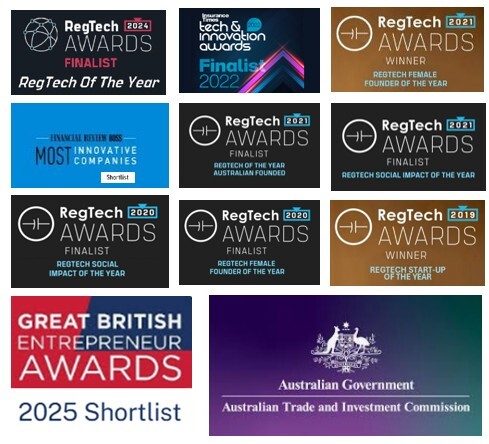
Our industry-leading platform has received numerous awards and recognition from clients and industry bodies, demonstrating our commitment to innovation and excellence.