Over the past 20 years, I've seen firsthand how powerful a lifecycle mindset can be. Whether it's guiding product launches, steering policy governance, or supporting sustainability initiatives, lifecycle frameworks have been a game-changer in keeping complex initiatives aligned, efficient, and resilient.
Today, I want to share why adopting this mindset is quickly becoming indispensable for CEOs facing today's fast-evolving business landscape.
Here's a look at how a lifecycle mindset can transform your approach to leadership and help your organisation thrive in the face of constant change.
Proactive Change Management: Stay Ahead in a Dynamic Market
We all experience that markets can shift rapidly due to technological breakthroughs, economic pressures, or unexpected events. A lifecycle mindset enables CEOs to look at each product, service, or project as an evolving entity that requires continuous monitoring, improvement, and adaptation.
For example, companies like Microsoft have embraced a lifecycle mindset to extend the relevance and profitability of products like Office and Windows by continuously updating them in response to customer needs and technology trends, rather than launching entirely new products. This agile adaptation has been crucial for long-term success in a fast-paced digital landscape.
Enhanced Resource Allocation: Optimize Investments Across the Lifecycle
Efficient resource allocation is a top priority for CEOs, especially when balancing innovation with margin targets and cost control. A lifecycle mindset offers a structured approach to allocating resources to initiatives that provide the most value.
By evaluating each product or project through different lifecycle stages—launch, growth, maturity, and decline—CEOs can make informed decisions on where to invest, sustain, or divest. This approach not only optimizes financial performance but also ensures that high-potential initiatives receive the support they need.
For instance, lifecycle management tools enable companies to quickly identify underperforming products that drain resources without strategic benefit, allowing them to redirect investment toward high-growth areas. This kind of portfolio optimisation is invaluable for CEOs focused on maximising ROI while maintaining strategic flexibility.
Risk Management and Compliance: Protect Against Emerging Threats
In an environment where regulatory requirements and reputational risks are increasing, lifecycle management provides an essential framework for maintaining compliance and mitigating risk across business functions or silos. This mindset helps CEOs integrate risk management into each stage of a product's lifecycle, from development to sunsetting. By building in compliance checks, security updates, and regular performance assessments, organizations can minimize potential liabilities and avoid costly regulatory penalties.
Supporting Sustainability and ESG Goals: Align with Stakeholder Expectations
Environmental, social, and governance (ESG) factors are now essential for many businesses. Investors, customers, and employees increasingly expect companies to prioritize sustainability. A lifecycle mindset supports CEOs in embedding ESG principles throughout a product's journey, from sourcing materials and reducing environmental impact to ensuring responsible disposal or recycling at the end of its life.
Integrating sustainability into the lifecycle is especially relevant in industries such as consumer goods, where sustainable packaging, responsible sourcing, and waste reduction are critical. A lifecycle approach to governance helps CEOs address these ESG considerations systematically, which not only enhances brand reputation but also aligns with long-term value creation and stakeholder expectations.
Strengthening Agility Through Cross-Functional Collaboration: Break Down Silos
Lifecycle management is not just a product or project management tool—it's a collaborative mindset that unifies teams across functions.
This integration makes it easier for companies to respond to changes quickly, whether customer feedback, technological shifts, or regulatory updates drive them.
For example, companies that have embedded lifecycle thinking into their operations- from scale-ups to global enterprises - this allows them to innovate rapidly and maintain a customer-centric approach.
When teams are aligned around each phase of the lifecycle, they can make better decisions and respond more effectively to market feedback.
Data-Driven Decision Making: Inform Strategy with Real-Time Insights
In today's digital age, data and analytics support lifecycle management, providing CEOs with real-time insights into performance, trends, and customer behaviour. By embedding analytics into lifecycle processes, CEOs gain visibility into each product's health, profitability, and relevance.
With tools like Skyed that track metrics like lifecycle stage, customer satisfaction, market share, and operational efficiency, CEOs can use a lifecycle mindset to identify growth opportunities and make informed decisions about updates, enhancements, or retirements. Companies that embrace a data-centric lifecycle approach can adapt more swiftly, making decisions that are responsive to real-time market conditions.
Embracing the Lifecycle Mindset for Long-Term Success
For CEOs, this mindset is more than a strategic advantage; it's a way to future-proof your organisation. You can stay agile, make smarter decisions, and foster meaningful growth by embedding lifecycle thinking. I've seen it in action for decades, and I believe it's a powerful approach that every leader should consider to navigate today's complex, ever-changing market.
Cheers and If you’d like to discuss best practices or have questions on how to get started, feel free to reach out—I’d be happy to connect.
Cheers and thank you for reading Product&Planet.
Leica
Contact Skyjed today for a personalised demonstration.
About Skyjed
Watch our 30 second Skyjed Overview video here
Skyjed’s AI-powered end-to-end lifecycle and governance platform is mission control for lifecycle management and governance. Bringing together every data point across your portfolio and lifecycle into a single source of truth, it gives our clients a new perspective to make more strategic lifecycle decisions to launch, monitor, optimise, and win.
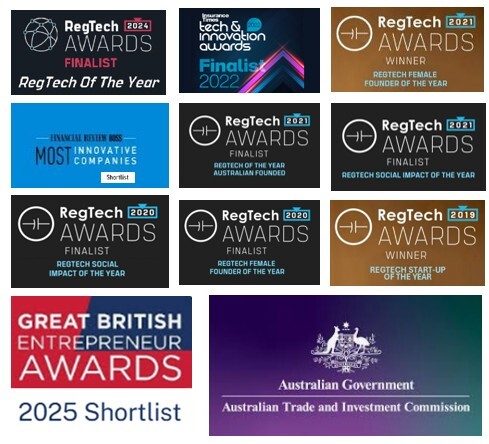
Our industry-leading platform has received numerous awards and recognition from clients and industry bodies, demonstrating our commitment to innovation and excellence.